Cosmetic Dentistry Essentials for a Healthier-Looking Smile
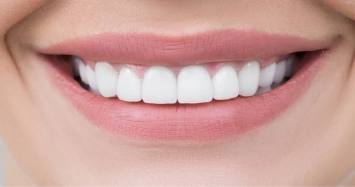
A smile can look healthy long before anyone notices whether it is perfectly white or mathematically symmetrical. That distinction matters. In practice, the most successful cosmetic dentistry is rarely about chasing a glossy, uniform look. It is about restoring balance, brightness, and confidence while preserving the traits that make a face believable and expressive.
Patients often arrive asking for “better teeth,” but what they usually mean is more specific. They want stains that do not make them look tired. They want a chipped front tooth repaired so their smile stops catching their eye in every photo. They want old dental work that has turned opaque or dark at the edges to blend in again. Sometimes they want straighter teeth, but just as often they want a smile that appears cleaner, younger, and more cared for.
That is where Cosmetic Dentistry earns its place. At its best, it sits at the intersection of appearance, oral health, and function. A whiter smile can make teeth look cleaner, but whitening a tooth with untreated decay is poor treatment. Veneers can create beautiful proportions, but over-preparing healthy enamel to do it is a high price if the case did not require that level of intervention. The art is in choosing the least aggressive option that reliably improves the smile.
What “healthier-looking” actually means
A healthier-looking smile is not one thing. It is a set of visual signals the brain reads almost instantly. Brightness is part of it, but so are smooth enamel, even gum contours, natural tooth shape, and the absence of obvious chips, crowding, or patchy discoloration. People also read hydration and cleanliness. Dry lips, inflamed gums, and rough plaque-stained surfaces can make otherwise healthy teeth look neglected.
That is why cosmetic improvement and basic dental care are hard to separate. If the gums are puffy or bleed during cleaning, whitening alone will not produce a genuinely healthy appearance. If one front tooth is darker because it had trauma years ago, that single color difference can dominate the smile more than mild crowding ever would. If an old crown sits higher than the adjacent gum line, the issue may look cosmetic, but the solution often begins with a deeper look at fit, inflammation, and tissue response.
A smile that looks healthy usually shares a few quiet characteristics: the color is believable, the edges are not overly flat, the teeth reflect light naturally, and the gums frame the smile rather than compete with it. Those details are subtle, yet they are what separate polished work from work that merely looks done.
The best cosmetic plans often start with restraint
There is a misconception that cosmetic treatment is inherently aggressive. In reality, good clinicians tend to be conservative. They spend more time ruling out unnecessary work than upselling it. A patient with mild spacing may be a strong candidate for clear aligners rather than porcelain veneers. Someone with generalized yellowing but excellent enamel may benefit from professional whitening and polishing, not crowns. A small chip may need careful bonding and contouring, not a full smile makeover.
Restraint also matters because cosmetic changes are cumulative. Once enamel is removed for veneers or crowns, the tooth will always require maintenance over the years. That does not mean these treatments are wrong. It means they should solve a real problem that less invasive options cannot address well.
The healthiest-looking smiles often come from staged treatment. Cleaning and gum therapy first. Whitening second. Minor alignment third, if needed. Bonding or porcelain only after the color and positions are settled. This sequence reduces guesswork and prevents the common mistake of restoring teeth before Cosmetic Dentistry the rest of the smile has stabilized.
Whitening, the most requested treatment and the most misunderstood
Whitening is often the simplest way to refresh a smile, but it is not one-size-fits-all. Surface stains from coffee, tea, red wine, tobacco, or heavily pigmented foods usually respond well to professional cleaning and bleaching. Deeper intrinsic discoloration can be more stubborn. Teeth that darkened after trauma, developmental fluorosis, tetracycline staining, or aging-related thickening of dentin may improve unevenly or less dramatically.
Professional whitening generally works best because the diagnosis comes first. A dentist can tell whether the problem is actual tooth color, stain buildup, dehydrated enamel after recent cleaning, or a mismatch between natural teeth and older restorations. That distinction saves people from the frustration of whitening trays that never seem to brighten the tooth they care about most, often because that tooth has a filling, crown, or internal discoloration that bleach alone cannot fix.
Sensitivity is the trade-off most patients notice. Some people feel only a brief zing during treatment. Others have several days of cold sensitivity, especially if they already have recession, cracked enamel, or worn root surfaces. Lower-concentration, longer-duration whitening can be easier to tolerate than a very strong, fast approach. Desensitizing gels, fluoride varnish, and spacing treatments farther apart can make a significant difference.
Shade choice matters too. Teeth that are too white for a person’s skin tone, age, or facial features can look less healthy, not more. The most attractive whitening results usually lift brightness by a few shades while keeping the translucency and variation of natural enamel.
Bonding, small changes with immediate payoff
When people want visible improvement without extensive treatment, bonding is often the workhorse. Tooth-colored composite resin can repair chips, close small gaps, soften irregular edges, mask localized discoloration, and reshape teeth that look slightly too short or narrow. In the right hands, it is efficient and conservative.
Bonding has a particular advantage in real-world dentistry because it lets both dentist and patient test an aesthetic change without committing to porcelain. If someone has a triangular gap between the front teeth or one lateral incisor that looks undersized, direct bonding can correct the proportion in a single visit with minimal or no drilling. For many patients, that is enough. They walk out looking more polished, and the smile still feels like theirs.
The downside is durability. Composite resin is not porcelain. It can stain over time, especially with heavy coffee or tea use, and it may chip if someone bites pens, tears open packages with their teeth, or grinds at night. Still, modern bonding materials can look excellent for years when the case is selected properly and polished well. Minor maintenance is part of the bargain, not a sign of failure.
Veneers, a powerful option that should solve a specific problem
Porcelain veneers occupy a strange place in public perception. Some people fear them as overly aggressive, while others view them as the default route to an ideal smile. The truth sits between those extremes. Veneers are useful when shape, color, texture, and mild alignment issues need to be corrected together, especially when enamel defects or discoloration make simpler options unreliable.
They are less ideal when a patient mainly wants lighter teeth and has otherwise healthy enamel. In that case, whitening may be enough. They are also not a shortcut for significant bite problems. If teeth are heavily crowded, edge-to-edge, or under destructive grinding forces, veneers can be placed, but the case design must respect function or the restorations may chip, debond, or wear prematurely.
Well-made veneers do not look bulky or chalky. They have depth, light transmission, and surface character. The best cases keep enough individuality that the smile fits the face. A common mistake is selecting teeth that are too opaque and too uniform in color from edge to gum. Natural teeth usually show variation, especially near the incisal edge, where translucency creates life.
Patients should also understand the maintenance reality. Veneers do not decay, but the teeth under and around them still can. Gum health still matters. Nightguards may be essential for grinders. And while veneers can last many years, they are not lifetime appliances. Replacement should be expected eventually.
Clear aligners and the cosmetic value of moving teeth before restoring them
One of the most meaningful shifts in modern cosmetic planning has been the wider use of clear aligners for adults. Not every smile needs restorative camouflage when the underlying issue is position. Slight rotations, overlapping edges, or narrow spacing can often be corrected by moving teeth into better alignment rather than covering them.
This matters for aesthetics, but also for conservation. Straightening first often reduces or eliminates the need for enamel reduction later. A tooth that looked too small may only have looked small because it sat behind its neighbors. A chip that seemed best treated with a veneer may need only edge bonding once the tooth is in the right place.
Aligners do require commitment. They work best when worn as prescribed, usually around 20 to 22 hours a day. Some cases finish in a few months, while others take a year or longer. Attachments, refinements, and retainers are part of the process. Yet for adults who want a cleaner, healthier-looking smile without jumping straight to porcelain, aligners can be the most intelligent first move.
Gum aesthetics matter more than most people realize
Teeth do not smile by themselves. The gums frame them. If the gum line is uneven, inflamed, or receding dramatically, cosmetic work on teeth alone may never look quite right.
This is where a careful examination changes everything. A “gummy smile” may stem from short teeth, excess gum tissue, lip movement, bite position, or a combination of factors. Recession may expose yellower root surfaces that whitening will not change. Chronic inflammation from plaque retention or poorly contoured restorations can make the tissue look red and swollen, even when the teeth are technically straight and white.
Simple periodontal treatment, improved home care, and professional reshaping of overcontoured fillings can transform the appearance of a smile before any major cosmetic treatment begins. In selected cases, gum contouring can improve symmetry. In others, the priority is actually stabilization, slowing recession, reducing inflammation, and protecting the roots. Chasing a prettier gum line without respecting periodontal health is a mistake that becomes visible over time.
Crowns, old fillings, and the patchwork smile
A common cosmetic concern is not natural tooth color at all, but mismatched dental work. Someone may have one old crown that looks gray near the gum line, two front fillings that have turned matte and yellow, and a darker neighboring tooth that makes the entire smile feel uneven. These are the cases where people often say, “My teeth aren’t terrible, they just don’t look fresh.”
Refreshing a patchwork smile takes judgment. Replacing every restoration in sight is not always wise. Some old work is functionally sound and visually acceptable. Other pieces may be drawing attention because of small but obvious flaws, a visible margin, a poor shade, a flattened edge, or a shape that no longer matches adjacent teeth.
Color matching is harder than most patients expect. Teeth are not a single flat shade, and they do not stay identical under different lighting. A crown that looks perfect in overhead operatory light may read slightly different in daylight if the material lacks the right translucency. This is where communication between dentist and laboratory becomes crucial. Photographs, shade mapping, and temporary mock-ups can make the difference between acceptable and exceptional.
When cosmetic dentistry should wait
Not every smile should be treated immediately, even if the patient is eager. Delay can be the professional choice when the foundation is unstable.
Some examples come up repeatedly in practice:
- Active decay or leaking restorations that need disease control before aesthetics
- Untreated gum disease with bleeding, pocketing, or mobility
- Heavy grinding or clenching that will likely damage new cosmetic work
- Very high aesthetic expectations that are not aligned with anatomy or budget
- Dry mouth, frequent acid exposure, or other conditions that increase long-term risk
Pausing treatment is not a failure to provide options. It is often the most responsible form of care. Cosmetic work placed into an unhealthy mouth tends to disappoint sooner, cost more to maintain, and sometimes worsen the original problem.
The consultation matters more than the procedure name
People often shop by treatment label. They ask whether they need veneers, whitening, bonding, or Invisalign. The better question is what combination of issues is making the smile read as less healthy than it is. Color, shape, alignment, gum display, wear, and existing dental work all interact. That is why the consultation is often more valuable than the procedure menu.
A careful cosmetic assessment typically includes how the teeth show at rest, how much gum appears when smiling, whether the bite is stable, how the lips frame the front teeth, and whether the central incisors dominate appropriately without looking oversized. Photos help because they reveal what mirrors often hide. A patient may focus on one slightly rotated tooth, while the more visible issue in photos is actually edge wear or uneven brightness.
Mock-ups can be especially useful for more involved treatment. A wax-up or temporary simulation lets patients see proportion and length changes before permanent dentistry begins. This step has prevented countless misunderstandings. What sounds subtle in conversation can look dramatic in the mouth, especially with front teeth.
What to ask before committing to treatment
A polished website and a before-and-after gallery do not tell the whole story. Cosmetic care becomes much safer and more satisfying when patients ask practical questions up front.
- What is the most conservative option that could meet my goal?
- What are the likely trade-offs in sensitivity, maintenance, and longevity?
- Will whitening affect all my teeth equally, including crowns or fillings?
- Do you recommend moving teeth first, or restoring them first?
- If I grind or clench, how will that change the treatment plan?
The answers reveal a great deal. Experienced clinicians usually talk comfortably about limitations, not just benefits. They explain what a treatment cannot do, where it may wear, and how maintenance fits into the long term.
Cost, value, and why the cheapest cosmetic treatment can become expensive
Cosmetic dentistry spans a wide price range because the variables are substantial. Materials differ. Laboratory quality differs. Diagnostic time differs. The difficulty of matching a single front tooth can exceed the challenge of treating several back teeth. Most of all, planning differs.
Price alone is a poor filter. A very low quote may reflect minimal diagnostic work, rushed finishing, lower-grade materials, or a treatment plan that is broader than necessary because it is easier to sell one package than tailor a conservative approach. At the same time, a high fee does not guarantee refined aesthetics. Patients should look for clarity, not just prestige. Why is this treatment recommended? What alternatives were considered? What kind of maintenance should be expected over five to ten years?
Value in Cosmetic Dentistry comes from fit, function, and predictability. A modest plan that improves the smile naturally and holds up well can be far better value than a larger makeover that looked impressive on day one but required repeated repairs within a few years.
Daily habits that keep cosmetic results looking believable
Even excellent cosmetic work can lose its appeal if the surrounding habits work against it. Maintenance is less glamorous than treatment, but it is often what determines whether a smile keeps its healthy appearance.
- Brush gently with a non-abrasive toothpaste and pay attention to the gum line
- Floss or clean between teeth daily, especially around bonded or porcelain work
- Use a nightguard if you clench or grind, even occasionally
- Limit frequent exposure to staining drinks, or rinse with water after them
- Keep recall visits on schedule so small issues are corrected before they show
These habits do not need to be perfect to be effective. Consistency matters more than intensity. Overbrushing with a hard brush can be as harmful cosmetically as neglect, particularly around the gum line where recession exposes darker root surfaces.
A natural smile usually beats a dramatic one
The most admired cosmetic results are often the least obvious. Friends may say someone looks rested, polished, or younger without immediately identifying dental work as the reason. That subtlety is not accidental. It comes from respecting the person’s face, age, bite, enamel, and habits rather than imposing a generic ideal.
A healthy-looking smile is not always the whitest smile in the room. It is the one that fits. The central teeth are proportionate. The edges are lively but not jagged. The gums look calm. The color is clean without appearing opaque. The dental work, if present, disappears into the whole.
That is the real promise of Cosmetic Dentistry when it is practiced thoughtfully. It can repair the little visual interruptions that make a smile seem tired, uneven, or older than it should. It can also support oral health by motivating better care, improving cleanability through alignment, and replacing worn or mismatched restorations with ones that function properly. The goal is not perfection. It is coherence, comfort, and the quiet confidence of a smile that looks well cared for because it truly is.
Toothworks of Bakersfield, Dentist and Orthodontist
1030 H St #1, Bakersfield, CA 93304, United States
+1 661-323-9421
FAQ About Cosmetic Dentistry
Is bonding better than veneers?
Neither option is best for everyone. Composite bonding can address small chips, gaps, or shape concerns and is generally easier to repair. Porcelain veneers may offer greater resistance to staining and wear, but often require removal of some enamel. A dentist should assess your oral health, bite, goals, and budget before recommending treatment.
How long will dental bonding last?
Bonding commonly lasts about three to ten years before it needs repair or replacement, though this varies with the location and amount of bonding, your bite, and daily habits. Regular dental visits, good oral hygiene, and avoiding chewing hard objects can help protect it. Ask your dentist what lifespan is realistic for your particular treatment.
What are the risks of teeth whitening?
Whitening can cause temporary tooth sensitivity and gum irritation. Overuse or incorrect use may damage teeth or gums, and whitening does not change the color of existing crowns, veneers, or fillings. Have a dentist assess your teeth and gums, and follow the recommended product directions and treatment schedule.