How Long Do Cosmetic Dentistry Results Really Last?
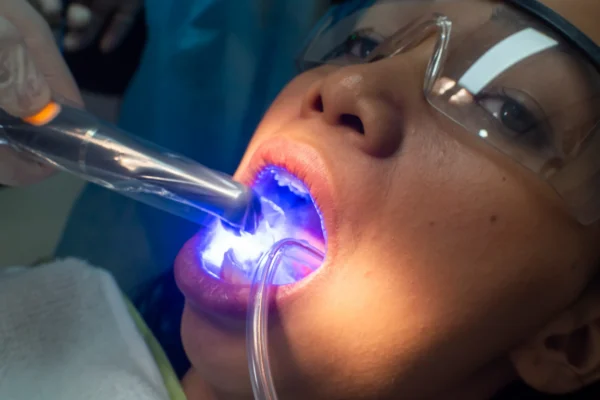
People rarely ask only about the look of a cosmetic dental treatment. Sooner or later, the practical question arrives: how long is this going to last? It is a fair question, and often a more important one than shade charts, before-and-after photos, or the latest treatment trend. Cosmetic dentistry can produce remarkable changes, but no dental work is permanent in the absolute sense. Teeth live in a harsh environment. They bite, grind, flex, stain, chip, and age. Materials age too.
The real answer depends on three things working together: the treatment itself, the condition of the underlying teeth and gums, and the patient’s habits after the work is done. Two people can receive the same procedure from the same dentist and get very different lifespans from it. One wears a night guard, keeps cleanings, and avoids chewing ice. The other grinds through stress, skips maintenance, and uses front teeth to open packaging. Those are not small details. They decide whether a result looks fresh in year ten or needs repair in year three.
That is why the better question is not “How long does cosmetic dentistry last?” but “How long does this specific treatment tend to look good and function well in a mouth like mine?” Cosmetic dentistry is a broad category. Whitening behaves differently from bonding. Veneers differ from crowns. Invisalign depends on retention. Gum contouring has its own biology. A useful answer has to separate these.
The short version, before the nuance
If someone wants the quick clinical overview, most cosmetic dentistry results last somewhere between a few months and well over a decade, depending on the procedure. Teeth whitening may stay noticeably brighter for six months to two years. Composite bonding often looks good for three to ten years, sometimes longer with careful maintenance. Porcelain veneers commonly last ten to fifteen years, and many exceed that. Crowns often serve well for ten to twenty years. Clear aligner results can last indefinitely only if retainers are worn consistently. Dental implants, while often discussed for function first, can remain stable for decades, though the visible crown on top may need replacement before the implant itself does.
Those ranges are useful, but they hide a lot of real life. A bonded corner on a front tooth that takes repeated stress from a deep bite may fail early. A veneer placed on healthy enamel in a low-stress bite can look excellent fifteen years later. A whitening result on a coffee drinker who also smokes will fade far faster than on someone who does neither. Longevity is rarely about one number.
What “lasting” actually means
Patients and dentists do not always mean the same thing when they say a result has lasted. From the patient’s perspective, it often means the smile still looks attractive. From the clinical side, it may mean the restoration is still intact, sealed, and functional, even if the surface has lost some luster or the shade no longer matches neighboring teeth perfectly.
That distinction matters. A veneer might still be structurally sound at year twelve, but if the gumline has shifted slightly or adjacent teeth have darkened, the patient may feel it no longer looks as good as it once did. Whitening may technically last a year, but someone who started with very bright results may feel disappointed after six months of gradual fade. Orthodontic correction may remain successful, yet a small amount of relapse can still bother a detail-oriented patient.
In practice, there are three layers to longevity: cosmetic longevity, functional longevity, and biological longevity. Cosmetic longevity is how long the treatment keeps its intended appearance. Functional longevity is how long it holds up under daily use. Biological longevity is whether the surrounding teeth, gums, and bone remain healthy enough to support the result. A smile makeover only truly lasts when all three cooperate.
Teeth whitening, the quickest result and the quickest fade
Whitening is usually the least invasive cosmetic treatment, and also the most temporary. That does not make it less worthwhile. It can be one of the highest satisfaction procedures in dentistry because the change is immediate, the cost is lower than restorations, and natural tooth structure stays intact.
Still, whitening fades. The enamel and dentin are still your own tissues, and they continue to pick up stain over time. Coffee, tea, red wine, curry, dark berries, tobacco, and even certain mouth rinses can dull the brightness. Age plays a role too. As enamel thins naturally with wear, the more yellow dentin underneath becomes more visible.
In many cases, in-office whitening gives a stronger initial jump in brightness, while take-home trays can help maintain it over time. Patients who keep custom trays often do better long term because they can refresh the shade periodically with professional guidance rather than waiting until the smile has significantly darkened again.
I have seen whitening last close to two years in disciplined patients with light staining habits. I have also seen obvious fade in a few months when someone drinks multiple cups of coffee a day and skips maintenance. Whitening is best understood as an ongoing cosmetic maintenance treatment, not a one-time permanent fix.
Composite bonding, beautiful when used selectively
Composite bonding occupies an interesting middle ground in cosmetic dentistry. It is conservative, repairable, and often more affordable than porcelain. For small chips, gaps, worn edges, slight shape changes, or isolated discoloration, it can be excellent. When done well, it blends naturally and preserves tooth structure.
Its weakness is wear and stain resistance. Composite resin is not as hard or as color-stable as porcelain. Over the years it can lose polish, pick up stain at the margins, or chip under stress. That does not mean it fails dramatically. More often, it simply needs periodic refinement, polishing, or repair.
On front teeth, bonding may last several years and still look very good if the bite is favorable and the patient is careful. For a person with nail biting, edge-to-edge bite forces, or nighttime grinding, the same work may need touch-ups far sooner. In cosmetic cases involving multiple bonded edges, longevity depends heavily on bite design. If the front teeth absorb too much stress during chewing and sliding movements, repairs become more likely.
One reason many experienced dentists like bonding is that it ages in a forgiving way. Small issues can often be corrected without replacing the entire restoration. That makes it a practical choice for younger patients, for trial smile changes, and for conservative treatment planning when full veneers would be excessive.
Porcelain veneers, long-lasting but not lifetime devices
Veneers tend to carry the strongest “forever smile” reputation, but that promise is often oversold. Porcelain veneers are durable and stain resistant, especially compared with composite. They can transform shape, color, symmetry, and proportion very effectively. They often age beautifully when well planned and properly bonded to enamel.
Yet veneers are not permanent in the everyday sense. They can chip, debond, crack, or become cosmetically outdated as the surrounding mouth changes. Gum tissue may recede slightly with time. Natural teeth around the veneers can darken. The bite can shift. If a patient grinds heavily, porcelain may survive for years, but only if bite forces are managed and a night guard is worn.
The often-quoted range of ten to fifteen years is reasonable, but it is only a midpoint. Some veneers need replacement much earlier because they were placed in a rushed or aggressive way, bonded to less favorable surfaces, or subjected to excessive force. Others remain attractive and serviceable well past fifteen years. Longevity improves when tooth preparation is conservative, the margin placement is thoughtful, and the patient’s gums are healthy before treatment even begins.
One of the less discussed truths about veneers is that they often fail cosmetically before they fail structurally. A tiny margin shadow, slight asymmetry from gum changes, or wear on adjacent natural teeth may not mean the veneer is “bad,” but it may prompt a patient to replace it sooner than strict function would require.
Crowns, strong but not purely cosmetic
Crowns are often placed for both restorative and cosmetic reasons. A crown can improve color and shape, but it is usually doing more structural work than a veneer. That matters because the underlying tooth often has a history: a large filling, fracture, root canal treatment, or significant wear. In other words, the crown may look cosmetic from the outside while managing a more compromised situation underneath.
For that reason, crowns can last a long time, often ten to twenty years, but their lifespan depends not only on the ceramic itself but also on the tooth supporting it. Decay at the margin, recurrent fracture, gum recession, and root problems are common reasons crowns need replacement. Cosmetic patients sometimes assume the visible material decides everything. It does not. Biology decides more than the glaze does.
When crowns are used on front teeth in aesthetic cases, the expectation is especially high. Even a technically sound crown can become bothersome if the gumline changes or neighboring teeth no longer match. On back teeth, patients tend to judge them Cosmetic Dentistry by comfort and durability. On front teeth, they judge them by the mirror.
Invisalign and orthodontic cosmetic results, stable only with retention
Straightening teeth is one of the most stable and satisfying forms of cosmetic dentistry, but only if retention is taken seriously. Teeth are not fixed in concrete. They sit in living bone and are influenced by pressure from lips, cheeks, tongue, bite forces, and aging. Even beautifully aligned teeth want to drift.
That is why orthodontic treatment has no meaningful “lasting” answer without talking about retainers. Patients sometimes hear that treatment is complete and assume they are done. In reality, the active tooth movement phase ends, and the maintenance phase begins. Nightly wear of retainers often becomes the price of keeping the result.
A common scenario goes like this: someone completes aligner treatment, loves the result, wears retainers faithfully for a few months, then becomes inconsistent. A year later they notice mild crowding returning in the lower front teeth. That is not unusual. Lower incisors are notorious for relapse, especially with age.
The cosmetic alignment itself can last indefinitely, but only with cooperation. This is one area where the patient’s behavior matters more than the material properties of a restoration.
Gum contouring and soft tissue aesthetics
Not all cosmetic dentistry is about tooth surfaces. Gum contouring, whether done surgically, with laser techniques, or as part of a larger aesthetic plan, can make a dramatic difference. It can reduce a gummy smile, improve symmetry, or reveal the proper proportions of teeth.
When the indication is sound, the result can be very stable. If excess gum tissue is removed to expose enamel and establish healthy architecture, the contour may remain attractive for many years. But here again, biology governs. If the underlying issue involves altered passive eruption, inflammation, medication-related tissue changes, or an unstable bite, long-term appearance varies.
Some people assume gum reshaping is a quick cosmetic add-on. In careful practice, it is more precise than that. The amount removed, the biologic width, bone levels, and healing pattern all matter. Good planning is the difference between a refined result and one that looks artificial or relapses.
What shortens the lifespan of cosmetic dental work
Certain patterns come up repeatedly when cosmetic results fail earlier than expected. The problem is not always poor materials or poor craftsmanship. Often it is a mismatch between treatment and patient habits, or between appearance goals and functional reality.
The most common lifespan reducers are these:
- Nighttime grinding or clenching
- Poor home care and irregular professional cleanings
- Frequent staining habits such as tobacco, coffee, or red wine
- Using teeth as tools, or chewing hard objects like ice and pens
- Gum disease, decay, or untreated bite problems under cosmetic work
Bruxism deserves special attention. Many patients do not realize they grind until they chip bonding, crack porcelain, or wake with sore jaw muscles. A custom night guard is not glamorous, but it often protects thousands of dollars of cosmetic dentistry better than anything else.
The dentist’s planning matters as much as the material
Patients often compare options by material alone. Porcelain versus composite, laser versus no laser, aligners versus braces. Those choices matter, but planning matters more. The same porcelain veneer can last very differently depending on how much enamel remains, how the bite contacts are distributed, whether the smile line suits the face, and whether the gums were healthy before bonding.
One practical example is the patient who wants badly worn front teeth rebuilt for a younger smile. If the dentist simply lengthens the teeth cosmetically without managing the bite, those restorations may chip repeatedly. If the bite is opened thoughtfully, the back teeth support chewing, and the front guidance is balanced, the same cosmetic result stands a much better chance.
A beautiful photograph taken one week after treatment says almost nothing about longevity. Margin placement, moisture control, material handling, finishing, bite equilibration, and case selection determine far more than social media ever shows.
Maintenance is where longevity is won
Cosmetic dentistry ages better when it is treated as a partnership rather than a transaction. Patients sometimes assume that once the smile makeover is done, maintenance is routine. In reality, maintenance is part of the treatment.
A sensible maintenance pattern usually includes regular hygiene visits, early repair of small defects, periodic polishing of bonding, whitening refreshes when needed, retainer checks, and night guard replacement if it becomes worn. Small interventions preserve larger work. A rough bonded edge that gets polished early may last years longer. A retainer that is remade promptly can prevent relapse that would otherwise require retreatment.
For patients who want a practical framework, a few habits make a measurable difference:
- Wear retainers and night guards exactly as prescribed
- Use a non-abrasive toothpaste and a soft brush
- Keep professional exams and cleanings on schedule
- Report chips, rough edges, or gum changes early
- Limit repetitive habits that stress or stain teeth
These are not dramatic steps. They are the dental equivalent of changing the oil before the engine light comes on.
Age, anatomy, and expectations
Another factor that deserves honesty is age. A 24-year-old and a 64-year-old may both be ideal cosmetic patients, but longevity plays out differently. Younger enamel may bond well and gums may be more stable, yet younger patients also have more years of wear ahead. Older patients may have slower aesthetic demands Cosmetic Dentistry and excellent care habits, but the teeth may already carry restorations, recession, or wear patterns that complicate treatment.
Anatomy matters too. Thick enamel, low decay risk, healthy gums, and a favorable bite create a strong foundation. Thin enamel, acid erosion, dry mouth, recession, and heavy occlusal load reduce the margin for error. Cosmetic dentistry can still be successful in difficult mouths, but the treatment plan has to reflect reality.
Expectation management is part of good care. If someone wants the brightest possible shade, the longest possible lifespan, and the least invasive treatment, there may be trade-offs. Very white restorations can look striking at first but may become harder to match over time. Ultra-conservative treatment preserves structure but may limit how much the dentist can mask deep discoloration. The best plans are rarely the most extreme. They are the most balanced.
So, how long do cosmetic dentistry results really last?
Long enough to be worth doing, when the treatment fits the patient and the maintenance is respected. That is the honest answer.
Some results are naturally temporary and meant to be refreshed, like whitening. Some are conservative and repairable, like bonding. Some are more durable and transformative, like porcelain veneers and crowns, but they still live on borrowed time in a biological system that changes every year. Orthodontic cosmetic results can hold beautifully, but only with retention. Gum aesthetics can remain stable for years, but only when the underlying tissue health supports them.
The patients who get the longest life from cosmetic dentistry are usually not the ones chasing the flashiest makeover. They are the ones who plan carefully, fix disease before cosmetics, protect their bite, and return for maintenance before small issues become expensive ones. Cosmetic dentistry is not fragile when it is done thoughtfully. But it is never separate from function, hygiene, and time.
If you are considering treatment, ask your dentist a more useful set of questions than “How long will it last?” Ask what could shorten its life in your mouth. Ask what maintenance it will require. Ask whether your bite, gums, and habits make you a high-risk or low-risk candidate. Those answers are more revealing than any single number.
A great cosmetic result should still look like it belongs in a real mouth, under real use, years after the photos are taken. That is the standard that matters.
Toothworks of Bakersfield, Dentist and Orthodontist
1030 H St #1, Bakersfield, CA 93304, United States
+1 661-323-9421
FAQ About Cosmetic Dentistry
Is bonding better than veneers?
Neither option is best for everyone. Composite bonding can address small chips, gaps, or shape concerns and is generally easier to repair. Porcelain veneers may offer greater resistance to staining and wear, but often require removal of some enamel. A dentist should assess your oral health, bite, goals, and budget before recommending treatment.
How long will dental bonding last?
Bonding commonly lasts about three to ten years before it needs repair or replacement, though this varies with the location and amount of bonding, your bite, and daily habits. Regular dental visits, good oral hygiene, and avoiding chewing hard objects can help protect it. Ask your dentist what lifespan is realistic for your particular treatment.
What are the risks of teeth whitening?
Whitening can cause temporary tooth sensitivity and gum irritation. Overuse or incorrect use may damage teeth or gums, and whitening does not change the color of existing crowns, veneers, or fillings. Have a dentist assess your teeth and gums, and follow the recommended product directions and treatment schedule.